Friday, November 15, 2019

Cashback vs Miles

There are numerous debate on this topic.  I have been a cashback person all the while and recently have been wondering whether it's worthwhile to switch to miles. However, I have yet to see any concrete quantitative analysis to aid my decision hence I decided to do one myself as I'm an analytical person.

Methodology

I try to be as objective as possible and am open to switching to accumulating miles as I am a person who wants to stretch the dollar value of my expenses.

Assumptions: 

  1. I'm analysing this based on a long-term sustainable and realistic spending habit, i.e., not spend for the sake of spending or to buy that ultra expensive luxury/big ticket item. To further elaborate, this is done in the context of the average income earner (mass majority of us), not those super rich or those who spend frivolously. 
    • Anyway, for those who can afford to spend > $5 / month consistently, why even bother about rewards and cashback (which are insignificant to your expenditure)?
  2. I assume a round-trip from Singapore and miles accrual is in KrisFlyer. 
    • Hence I will use the latest SIA KrisFlyer Award Chart (effective from Jan 2019) to select the representative zones and the lowest number of miles needed for a round-trip redemption across Economy Saver and Advantage. Based on this post, taxes and fees have to be paid using non-miles.
I also scanned through the miles credit cards for a sensing of mile accrual rates, card annual fees and the T&Cs.

Analysis (Economy Flight)

Refer to this spreadsheet screenshot for the analysis (click to enlarge).


Meaning of the columns:

Amount to spend: I calculated the S$ to spend to get the min no. of miles required, assuming various accrual rates (i.e., 4 / 2 / 1.2 miles per $). Most of the cards give 1.2-1.4 miles per SGD spent locally, hence the realistic rate is 1.2 miles / $.

Cashback earned: I calculated the cashback that can be earned on the "Amount to Spend" assuming using the Maybank Barcelona Card which gives a base 1.6% rate for all eligible expenses. But of course higher rate is possible through careful optimisations such as by spending in categories with higher rates and/or utilising better cards.

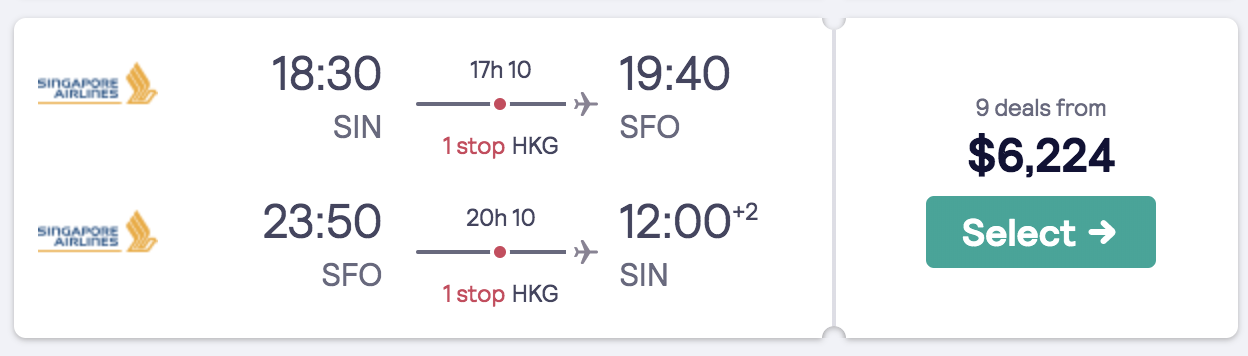
Lowest Ticket Price: I used SkyScanner to find the cheapest round-trip tickets (Economy/Budget direct flights only from any airline) using a future booking period of about 1 week in a non-peak season.  Ticket price is used for gauging the dollar value of the miles earned. See screenshots below for evidence. 

Amount Spending Period: Realistically, unless one has big ticket items to buy, the person has to spend "Amount to spend" over a few years. Based on annual expenses (chargeable to credit card) of S$20-25k.

Total Card Fees: Total annual fees paid throughout the "Amount Spending Period". I think it may be harder to waive off for miles cards (correct me if I'm wrong), hence a person has to pay the annual fees throughout the spending period.  1st year is usually waived but subsequent annual fee can range from $200-$500. Assume $200 for simplicity. Cashback cards usually have 2 years of waiver. 

Miles Benefit: Final dollar value of the min no. of miles earned, for comparing with "Cashback Earned". Calculated as Lowest Ticket Price minus Total Card Fees.

Analysis for Business Class

At the request of some readers, I did an analysis for a long-distance flight in business class (first class as well if I have time in the future). I assume a 5% cashback rate here since it should be attainable given the large expenditure.

If we are able to earn 4 miles / $, then we'd only earn a cashback of $2,375.000 vs the miles benefit of  $ 3,146.00 (Phillipines Airline) / S$5824 (SIA). 
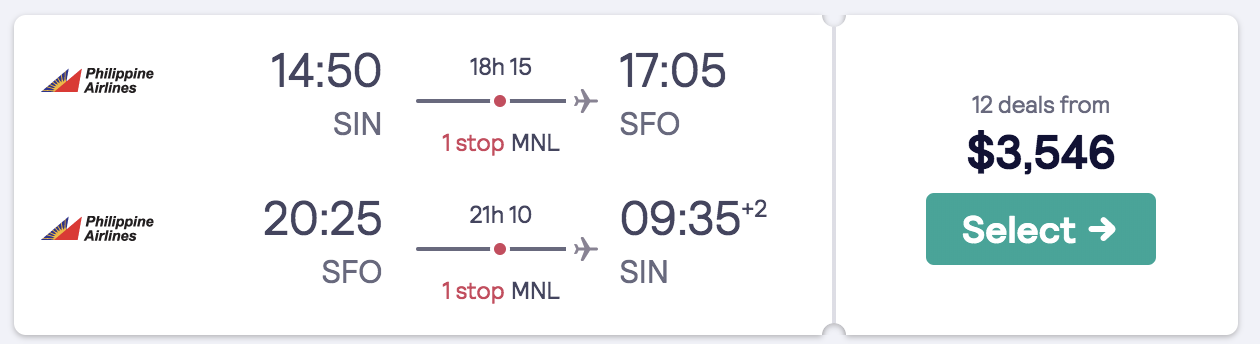


In this analysis for business class, miles will win hands-down if the rate is >= 4 miles/$, otherwise there is no clear-cut winner. 

SIA Business Class costs S$6224 while Phillipines Airlines costs only S$3546. Base on this review, it seems that the quality of service is pretty decent. This comes as no surprise as quality of service by airlines should more or less be the same due to commoditisation of air transportation. A flight is just a flight, how different can it be? So what exactly are we paying for with the S$2700 difference? The branding of the airline so that we can post on Insta?

I'm uncertain which dollar value to tag to the earned miles, S$3546 or S$6224? Assuming all airlines price their tickets profitably, the cost of providing a business class seat may be much less than S$3546, and thus we as consumers are overpaying for it -- overpaying to a degree larger than we are for an economy seat. This then again begs the question of whether is it worth it?

Conclusion

For general/daily/long-term spending, cashback appear to be better. Thus I will stick to cashback for the simplicity of it and the fact that miles don't offer much more benefits (assuming a realistic rate of 1.2 miles / $ accrual).

Miles would be better for big ticket item expenditure when one can accrue at >= 4 miles/$, and that's when the earned miles can be redeemed for long-distance / biz class / suites flights. It takes careful planning to spend the right amount of money on the right cards. The spending period should be as short as possible to avoid card fees. I will consider using miles if I have big-ticket items, probably for my upcoming house renovation.

The downside of miles is that it takes much time and patience to earn, manage and redeem the miles, let alone navigating the complicated ever-changing terms and conditions.  The value of cashback is immediately realised at the end of each month while the value of miles is only at the point of redemption. Til then, you're subjected to significant risk as the reward and miles redemption T&Cs may change any time at the banks/airline's discretion.

Also, with actual spending terms such as these, it is challenging to get more than 1.2-1.4 mile / $ on average in a sustainable manner (not spend for the sake of spending):

1.2 miles per S$1 locally, 4 miles overseas & on select airlines
• 4 miles per S$1 on select entertainment (Netflix, Spotify & more)
• 8 miles per S$1 on select travel & accommodations bookings (Agoda, AirBnB & more)
1.2 miles per S$1 locally, 2 miles overseas, 3 miles for online travel bookings
1.4 miles per S$1 local spend, 2.4 miles overseas, 10 miles at major airlines & airports
Earn up to 4.4mi/S$1 on overseas dining, shopping & accommodation, 3mi on Klook
1.2 miles per S$1 local spend, 2 miles overseas
• Promotions: Earn 1.5 miles per S$1 local spend w/ min. S$3k monthly spend
• Option One: 26,500 miles w/ 1st annual fee payment & S$9k spend within 3 months
• Option Two: 6,400 miles w/ 1st annual fee payment & S$3k spend within 3 months
1.4 miles per S$1 local spend, 3 miles overseas (S$2,000 min spend)

What many miles proponents don't tell you is that you'd be spending A LOT of time "hacking miles". There may be frustration, constant monitoring every transaction to ensure they translate to miles, etc. Just look at this entire list https://milelion.com/credit-cards/guide/, imagine you'd have to comb through the T&Cs (from airlines and banks) and apply for the appropriate cards for your spending.

Ultimately you'd probably have to juggle with multiple cards, read the fineprints very carefully and possibly  spend significant time talking to the respective customer service to claim missing miles or to clarify which expenditure is eligible.

Referring to this post and this post, we can use credit card thru GrabPay to earn miles, but there are severe restrictions on how much you can earn. Imagine once you have started earning miles at say 10x points or 4 mpd, halfway thru, the T&Cs change, and viola, what will happen to your miles earned so far? You may not be able to hit your target soon enough to redeem for that dream vacation.

Once you're in the miles game, you're in it for the long-haul, subjected to the whims of the banks and airlines which can change their T&Cs at their own discretions.

*Latest Update* Base on the terms: https://www.citibank.com.sg/global_docs/pdf/Citi_Rewards_Card_10X_Rewards_Promotion_Terms_and_Conditions.pdf
Mobile wallet topups have been excluded.


What do you think?

Lowest Ticket Prices

I have been a great fan of Scoot for its very cheap tickets during promotional periods, to Europe (Athens/Berlin), to SEA, to China, etc. So I think their ticket prices may even be lower than those I found on SkyScanner for this analysis. 

I don't buy flight addons (e.g. meals, extra leg space, seat selection, insurance, WiFi, etc.) even though I'm a tall person of ~1.8m and for certain plane models, the seats are actually quite spacious. 
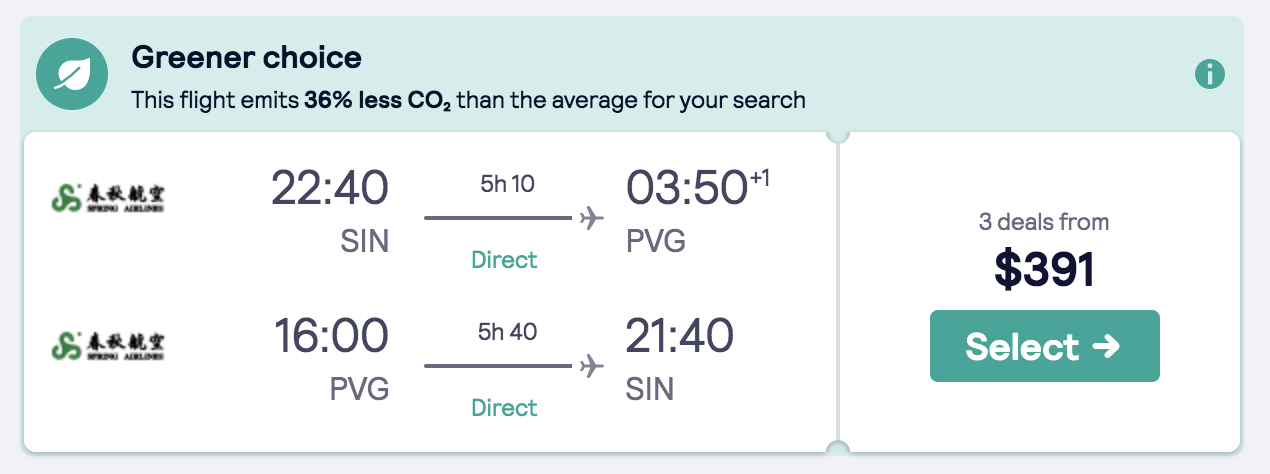
North China (Shanghai)
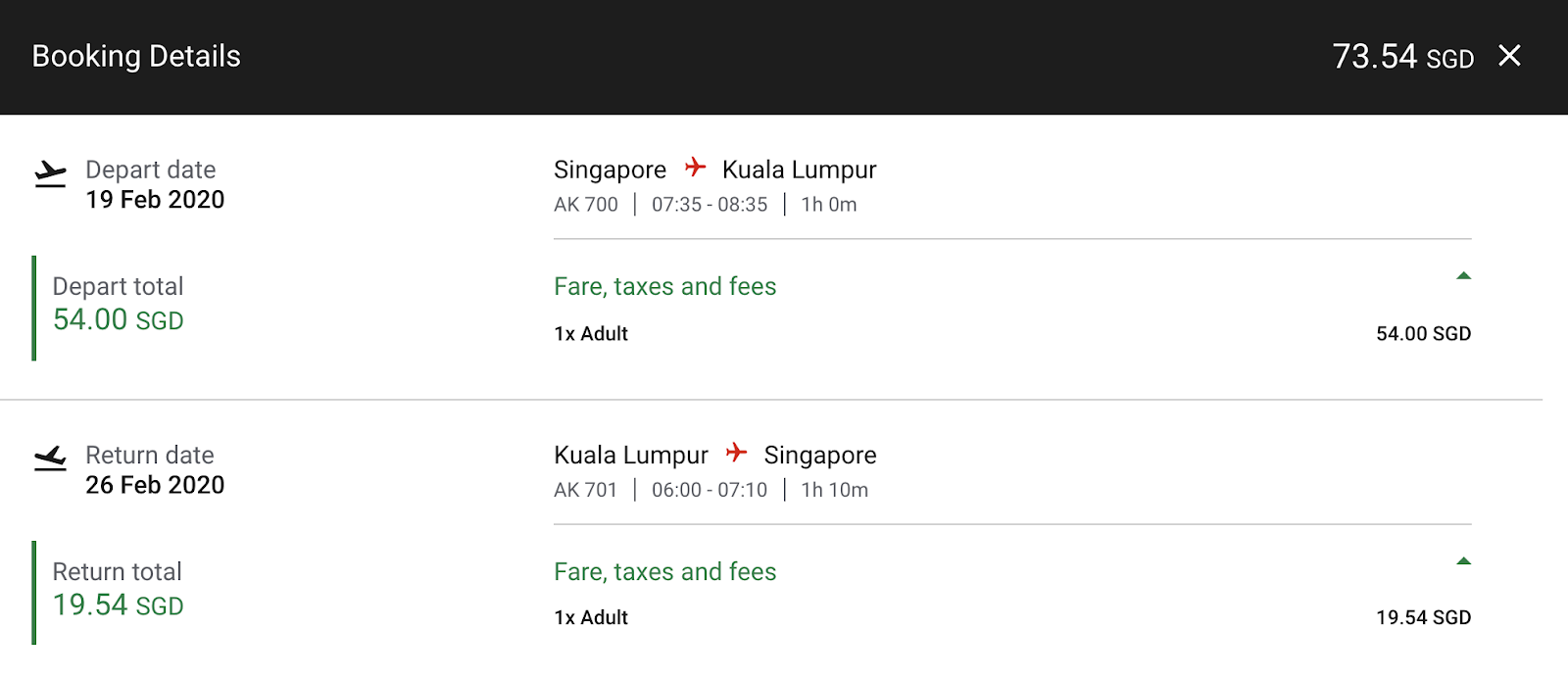

Malaysia (KL)
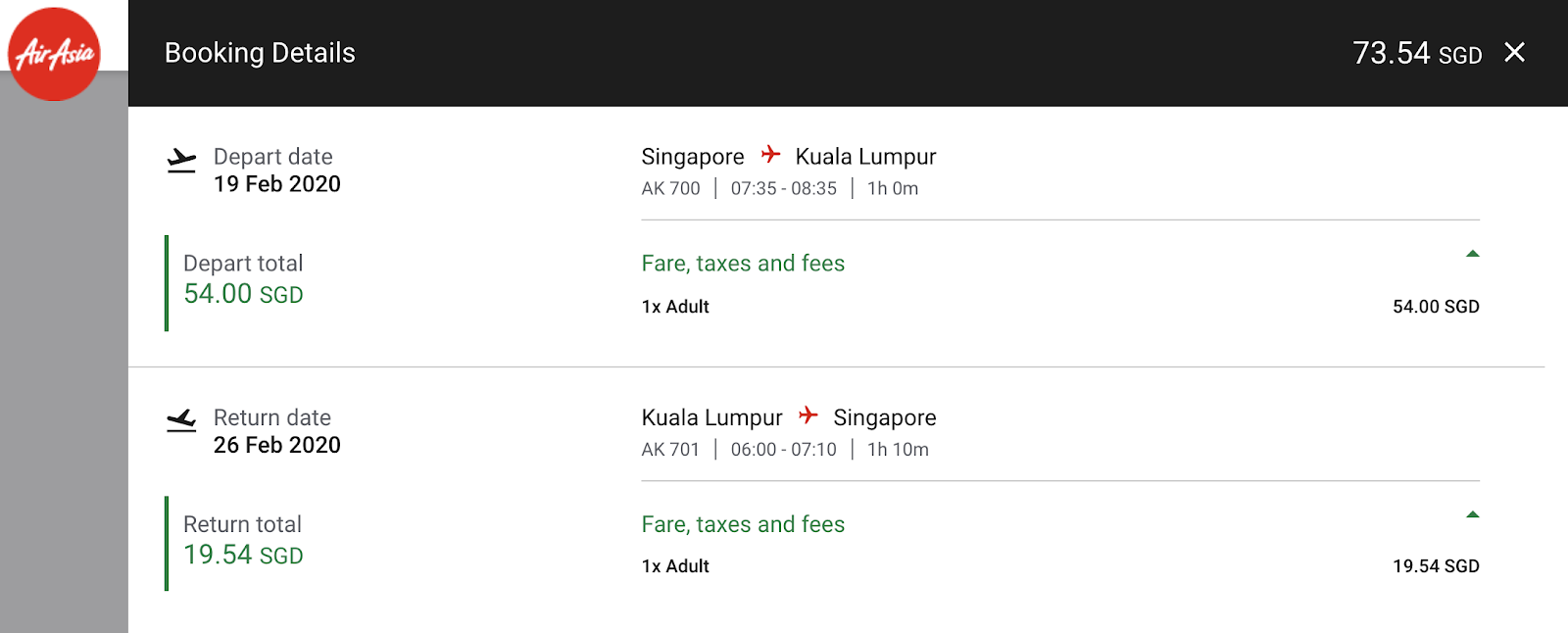

Malaysia (KL)
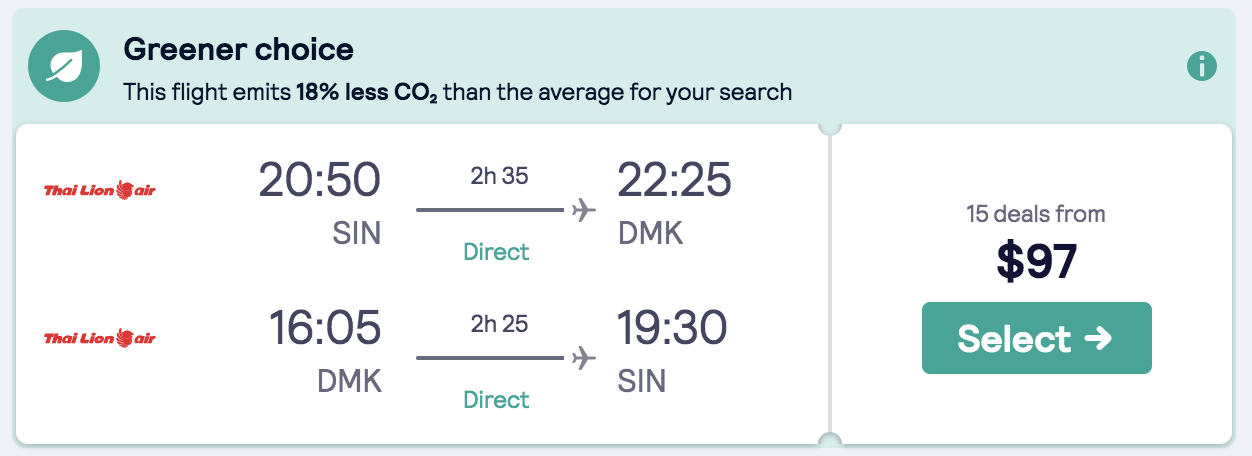

Thailand (Bangkok Alternate Airport)
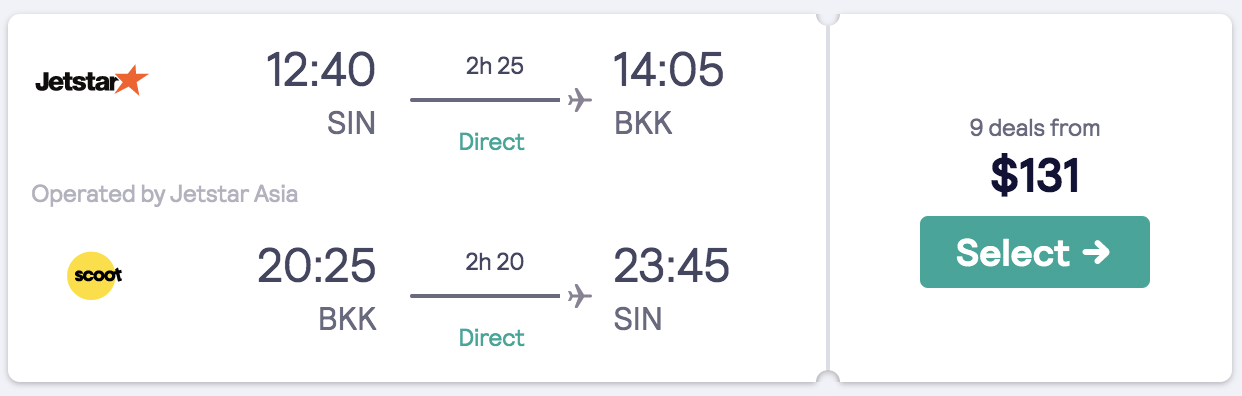

Thailand (Bangkok main airport)


US (San Francisco) Direct Flight
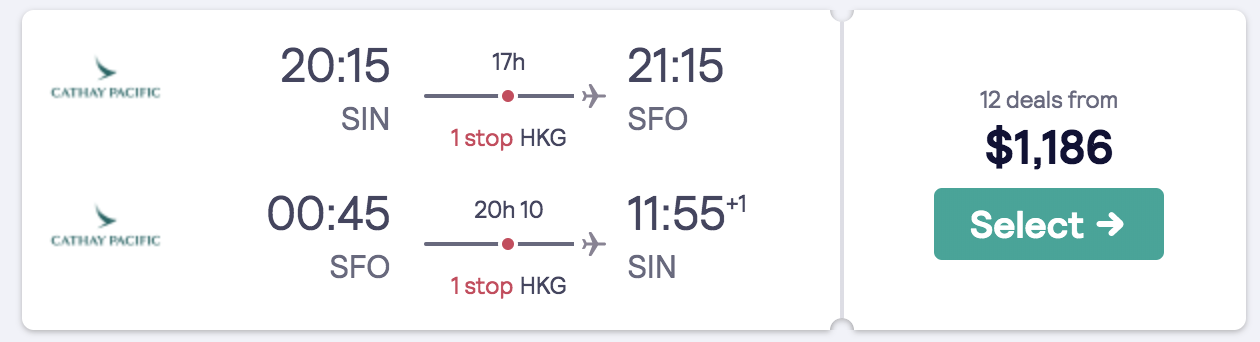

US (SF) cheaper but with 1 stop and still reasonable duration


US (SF) cheaper with 1 stop and reasonable duration


Saturday, October 26, 2019

Minimalist Expenses Since I Started Working

Recently, I decided to tabulate my expenses over the past ~7 years to check my spending habits.
Profile: staying with parents and owns a car. I like to write about expenses because I like to save money without compromising on quality of life.

The "Avg Yearly" is distorted as I bought my car between 3 and 4 years ago.
Expectedly, car and food are the biggest categories. Without a car, the average yearly would be ~$16k instead.

How about you guys? Are you spending more or less than me?

Car (auto transmission):
I realised it's the number of fuel top-ups / fuel consumption that matter more instead of the mileage/litre clocked per month. There are times when I have to travel to some places near my house for work that involve more traffic lights along the way, resulting in lower mileage and higher fuel consumption as compared to going to office that is farther away via a highway. However, both routes consume roughly the same amount of fuel on each trip hence the number of top-ups has been very consistent at an average of 2-2.5 times / month since Day 1.

I took good care of my car battery and tires and recently changed only after 3 years. I also go for the cheapest servicing and avoid buying unnecessary stuff. I also will make use of heavy rain to wash my car for free -- not the small rain kind as they tend to leave dust behind.

Remember to pump the right kind of petrol for your car -- if it just needs RON 95, then don't pump 98 which is unneeded and more expensive.

Car insurance: In my first year I had a relatively very expensive insurance as I was a "newbie" driver in terms of experience. Though there are ways to go around this issue, I'd still suggest readers out there get your driving license as early as possible. The insurance cost should get reduced significantly year after year especially with the NCD. In recent years I buy from FWD which is one of the cheapest and sometimes they even have promos such as birthday discounts and $200 CapitaLand vouchers.

Food:
Most of the time I eat at home or food courts / hawker centres. About once or twice a week I go to restaurants and even so I always make heavy use of restaurant booking apps and Entertainer.

Use Chope to get FREE Chope Dollars for each booking

I use the correct credit card for grocery shopping at Sheng Siong to get 5% cash rebates.

Computer/Electronics/Phone/Clothes/Furniture:
Usually I use them for as long as I can and avoid buying on impulse.

Phone:
I switched to a SIM-only plan with no extra SMS and voice minutes as I have little use for them. Usually I call via Whatsapp using data or get the caller to call me.

Insurance:
I just buy the cheap AVIVA-MINDEF group term life for early and terminal CI coverage, and an Integrated MediShield to cover hospital bills.

Holiday:
I make heavy use of ShopBack, Agoda and AirBNB for discounts. For example, Agoda usually gives 5-7% discount while ShopBack gives an additional 6% cashback for Agoda and $5 cashback for AirBNB.

Sign Up for ShopBack to get additional cashback for Agoda

Use AirBNB to get extra discount of up to S$45.

Just stay in 3-star hotels most of the time. You can also choose to stay slightly outside of city centers for cheaper rates, provided there are convenient transportation available. I usually don't buy flight add-ons such as extra baggage / extra leg room.


Avg Monthly Avg Yearly  Remarks
Total  $  168,804  $      2,010  $     24,115
Car  $    52,607  $         626  $      7,515 Monthly payment + petrol + parking etc.
Clothes  $      1,207  $           14  $         172
Computer  $      3,000  $           36  $         429
Dental  $        418  $             5  $           60
Education  $        780  $             9  $         111 Courses
Food & Groceries  $    25,200  $         300  $      3,600
Furniture  $        937  $           11  $         134
Health  $        650  $             8  $           93 Health-related expenses
Insurance  $      6,300  $           75  $         900
Parents  $    14,706  $         175  $      2,101 Allowances
Phone  $      3,819  $           45  $         546 Phone prices + bills
Tax  $    13,275  $         158  $      1,896 Income tax
Transport  $      6,480  $           77  $         926 Public transport; still taking occasionally 
Holiday  $    17,052  $         203  $      2,436
Treats  $      1,849  $           22  $         264 Gifts, treats including friends' weddings
Others  $    10,526  $         125  $      1,504 Unnecessary spending
Wedding  $    10,000  $         119  $      1,429


Saturday, April 13, 2019

The 1st million-dollar milestone in my life

I have been very busy and neglected this blog for a while.

I have finally achieved a S$1m net worth, which isn't a lot nowadays compared to the past. So much for toiling and going through BS in the past ~6.5 years.

See the breakdown here: https://my-radical-thoughts.blogspot.com/p/blog-page.html

The market and COE (Cat B and Open) have recovered considerably YTD, leading to an increase in the investment and car portions.

How do I feel about it? "Nonchalant" is the word. Due to my insatiable appetite for more $, I have already set myself a goal of earning another million.

I also feel like my life thus far is just all about working hard to chase after the dollar sign -- it seems nothing else is more important than having more $ in the bank.

Tuesday, February 5, 2019

Tips on Saving $ and Expenses Update

Here's an uncommon tip to save $ for that once-in-a-life-time event: buy your wedding ring at a tax-free place -- Changi Airport. That's right, I did buy my ring there and saved 7% * $10,000 = $700 worth of GST.   Plus you can accumulate iChangi points and use them to redeem for lounge access and Entertainer 1-for-1 membership.


My monthly expenses are still pretty much the same as ever, albeit with some slight changes after my wife moved in to stay put with me at my parents' place.

The usual expenses:
1. Eating out : We have to eat out for lunch/dinner during workdays and "date nights". We still stick to hawker food or Subway as cheap alternatives to restaurants. I estimate this to be $100-$150 per pax, barring any special occasions. 

2. Groceries: I have greatly reduced my consumption of alcohol nowadays, thus saving about $20-$50 worth of beer each month. We spend < $100 each month on fruits, fresh cow and soya milk, and occasional snacks. To eat healthily, we consume more fruits and avoid foods with much preservatives, fats, sugar and salt, especially those instant and canned. Instant cup noodles used to be my favorite when I was a teenager, but now no longer. 

We try to go for cheaper and nutritious fruits / veggies like baby carrots, oranges, watermelons, apples and bananas. And indulge in more expensive ones when there are promotions.

3. Phone bill: We both switched to SIM-only plans which are around $26 / month.

4. Car-related : About 2.5 petrol pumps on average per month cost ~$120 in total depending on the ever-fluctuating price. Another $80 for season parking at home and $110 at work.

5. Insurance: I pay  ~$50 /month for AVIVA Term Life (Early CI and terminal CI)

Travelling : I always fly with budget airlines (e.g. Scoot, Jetstar) and book 3-star yet decent hotels through Agoda usually with 6% discount and try to eat cheap local food. I avoid expensive tourist traps. 

With such minimal expenses, I find it hard to clock $500 on my UOB credit card to earn the bonus interest. 

Monday, December 31, 2018

Net worth review 2018


As the year comes to an end, I have reviewed my net worth and reflected on my life and investing journey. My short investing journey began in 2016 with < 10k vested and in this year I have taken a much more serious tone towards portfolio management given the increased amount vested. I have learned much indeed in this turbulent market.

My net worth details :  https://my-radical-thoughts.blogspot.com/p/blog-page.html

Portfolio details: https://my-radical-thoughts.blogspot.com/p/my-portfolio.html

Everything has been dropping this year: cryptos, COE, stocks, bonds. The unexpected COE downtrend has affected my car resale value.

I have screened more than 300 stocks in SGX this year and uncovered gems several of which I have done more in-depth studies and vested in them when their prices came down from the peaks.

I intend to hold for at least 5 years and hopefully I will be substantially rewarded.

Net worth comes from an above-average job, abnormally high savings rate and some other things.


Tuesday, December 11, 2018

High-level financial analysis of H-Trusts in SGX

In this article, I will look at the hospitality trusts (a.k.a. H-Trust) listed in SGX. Currently, there are 6 such H-Trusts, namely:
1. Ascendas 
2. CDL
3. Far East
4. Frasers
5. Ascott
6. OUE

I decided to do this exercise because they piqued my interest and I couldn't find any good comparison on the net. 

Take note I will only look at them from a high-level point of view, as I have no time to dig into the details for each of them.

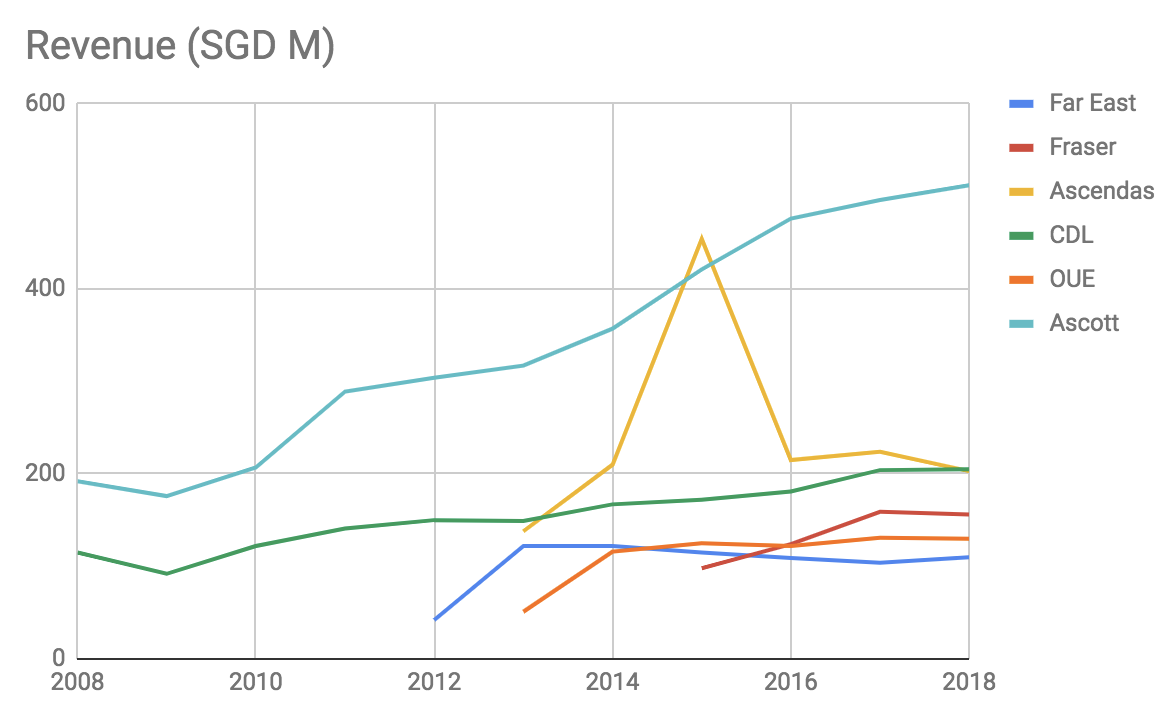
Ascott and CDL have been around for more than 10 years, so they have more data for us to make an accurate judgment, while the others are still relatively new. I assume all the data, taken from MorningStar and Dividends.sg, is correct (or at least roughly correct). 

Revenue


Ascott has been growing its revenue very well (~10% CARG from 2008-2018), while CDL is a much slower grower. For the rest, the revenue is quite flattish except for Ascendas and Fraser which showed some slight growth over the past few years. I don't think it's meaningful to calculate the CARG for the others as the timeframe is quite short.

Net Income


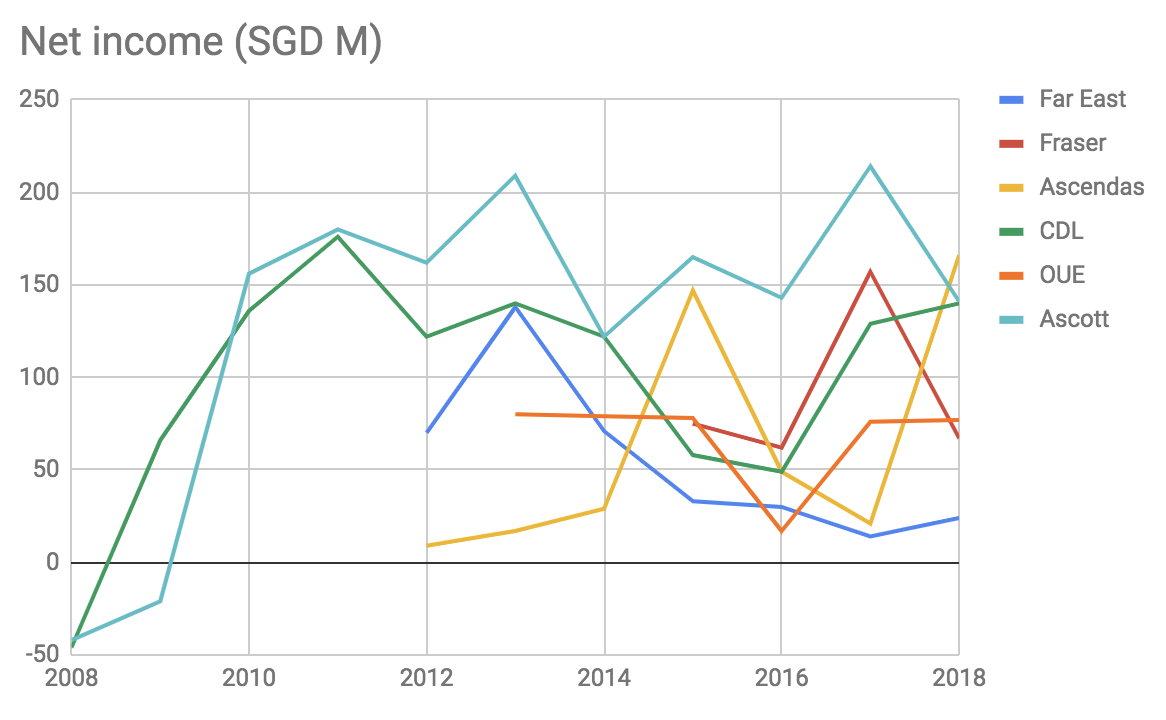
The net income chart shows a very different picture. 

Even though Ascott has been growing its revenue strongly, its net income has been whipsawing over the years. The net income for CDL dipped before recovering lately. 

During the GFC, the net income for CDL and Ascott went negative but quickly recovered. 

The net income for Far East is on a downtrend while the net income for the rest is whipsawing. 

Dividends (DPU / S$ cent per share)


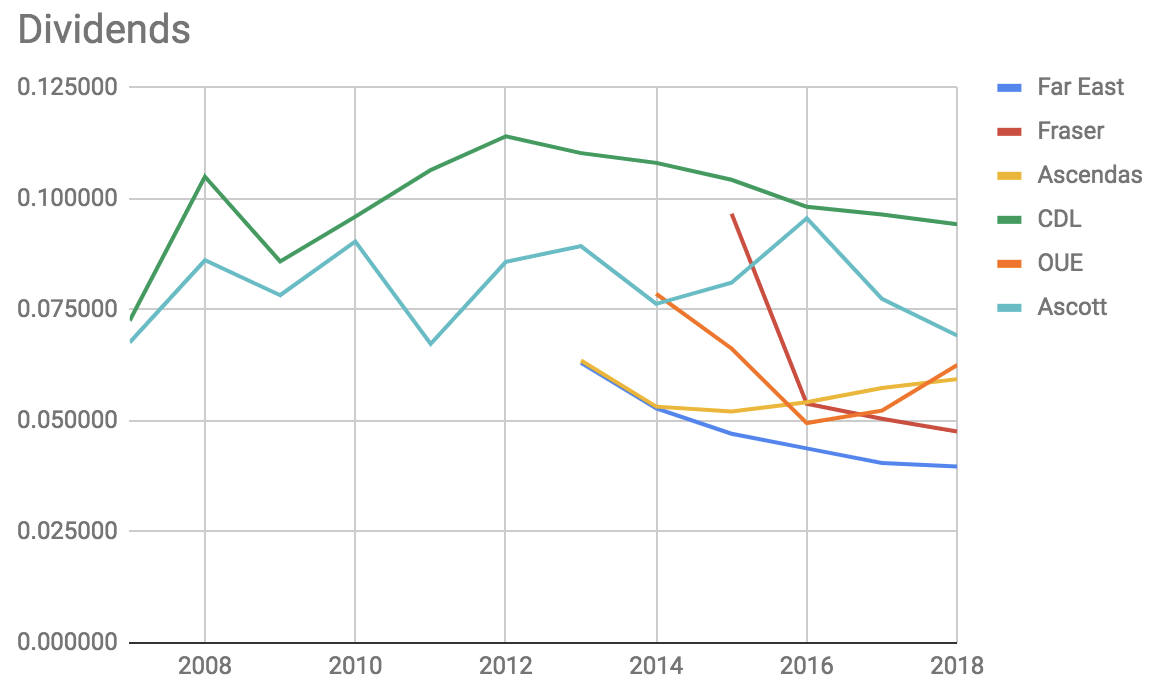
Now let us look at the dividends which is what many of us care about for investing in Trusts and REITs. As expected, the dividends correlate with the net incomes. 

All show a downward trend except for Ascendas and Ascott, and a recovery is not in sight. 

Only Ascendas shows an uptrend but the timeframe is too short to make any solid conclusion.

Rights Issues / Scrip Dividends / Private Placements


Far EastFraserAscendasCDLOUEAscott
20180.0397000.0476130.0594000.0943000.0626000.069220
20170.0405000.0504580.0574000.0965000.0523000.077480
20160.0438000.0538530.0542000.0982000.0495000.095630
20150.0471000.0966450.0521250.1043000.0663000.081110
20140.0528000.0532010.1081000.0786000.076350
20130.0631000.0636080.1103000.089360
20120.1141000.085800
20110.1065000.067360
20100.0960000.090400
20090.0859000.078300
20080.1050000.086200
20070.0726000.067700
Above is the dividends table from which I plotted the dividends chart. Cells highlighted in pale orange mean there was at least one share dilution action in that year. 

Ascott has the most number of share dilution action while Far East has none. 

Price Action


I look at the price action to have a sense of which Trust gives the biggest capital gain since mid-2015 (around the time the newest Trust, Fraser, was listed).

Ascendas (Q1P dark purple line) gave the biggest gain and the rest are far from it. 

Conclusion

To investigate further, one should look at other metrics such as the quality of assets, gearing ratio, RevPAR, and ADR. 

However, based solely on the data above, if I were to make a choice, Ascendas does seem to be the overall winner here.

CDL and Ascott have lacklustre performance over the past 10 years.
Far East and OUE have poor performance as well in the past 5 years. 


Welcome any feedback and opinions.


Saturday, December 8, 2018

REITS and Trusts to avoid

Investing in REITs is rewarding because of the juicy dividends. However, certain REITs have higher risks than others.

The market is forward-looking and very efficient in pricing equities and hence those REITs with yield > 7% usually have some inherent risks involved. Do not ever blindly invest in REITs with high dividends. The recent plunges in Asian Pay TV and others serve as a wake-up call / reminder to many of us.

Here, I will present a non-exhaustive list of REITs and Trusts that I will avoid. You may choose to disagree. I welcome any feedback. Typically once I see red flags such as short track record, consistently dropping DPU for a few years, unusually high gearing or concentration risks (e.g. tenant, geographical), I will avoid.

The market is pricing the REITS below with yields of between 6 and 10%, but I will not take the risk.

*Update*: I look at the business fundamentals only. Even if the NAV is very attractive or the price has reached 52-week low, I would not touch them until the fundamental improve. After all, the fundamental determine whether the dividend is sustainable.


REITTypePros & Cons
Accordia Golf TrustCountry Club- Not worth investing
Asian Pay TVRetail- Poor business fundamentals
- Cable TV is Sunset industry (?)
Cache logisticsIndustrial / Logistics- Declining earnings
- Increasing vacancy
LippoRetailAffected by Indo tax.
Higher gearing > 45%.
DPU affected.
Sabana REITIndustrial- DPU dropping over past few years
Sassuer REITRetail- High concentration risk in China
- S-chip stigma
- short WALE
SoilbuildBizIndustrial / Logistics- Declining growth
- High gearing
StarhillGbl ReitRetail (12% Commercial)- DPU dropping for past few years (2018)
- Most of revenue from Wisma Atria and Ngee Ann (>60%)
- Retail malls target mid to high-end consumers

For the following, I will avoid for now but I will continue to monitor their track record and even may start to invest in them once the red flags are gone.

AIMSAMP Cap ReitIndustrial / Logistics- ascendas REIT seem better
- DPU drops from 2016-2018
- revenue growth is flattish
BHG Retail ReitRetail- portfolio of just five properties in China is very concentrated.
- short history in the public eye, and the true long-term resilience of the portfolio cannot be accurately reflected over just a three-year history as a public entity.
- the five properties have land use terms expiring between 2042 and 2047. This is only less than thirty years away. Therefore, the REIT may have to fork out additional capital when the time comes to renew the land leases.
- manager yet to take its share of distribution
http://aspire.sharesinv.com/35947/si-research-should-investors-pay-attention-to-bhg-retail-reit/
CromwellReit EUR- too new
Dasin RetailRetail- wait for a few more years to observe
- Concentration risks: 4 malls in Zhongshan City of China’s Guangdong province. (China’s Pearl River Delta)
- S-chip stigma

Pros:
- good growth in 1st year.
- gearing only 30% -- room for acquisition
EC World REITIndustrial / Logistics-Risk: master leases expiring in 2020
- dividend sustainable?
- income in RMB but div in SGD

https://www.fool.sg/2018/06/20/ec-world-real-estate-investment-trust-the-bear-case/
https://www.theedgesingapore.com/article/5-reasons-not-participate-ec-world-reit%E2%80%99s-ipo

http://ernest15percent.com/index.php/2018/07/02/ec-world-reit-potential-strong-growth-ahead-29-jun-18/
IREIT GlobalCommercial- All 5 office properties concentrated in Germany
- 51% of gross rental income from 1 tenant (GMG)
- 32% from 1 tenant (Deutsche Rentenversicherung Bund)
- High leverage (40%)
- Lots of short-term debt
Average Weighted Debt Maturity: 1.4 years
- WALE 3-5 years only
- Forex risk (EUR vs SGD) (hedged)

Pros:
- Avg 98% occupancy
- 88% fixed rate debts
- All freehold properties
Mapletree NACRetail-Festival walk contributes 63% to Net income (concentration risk)
- High gearing 40%

Pros:
- P/B < 1

AI is real and so is the bubble

Nowadays you can't avoid seeing the word "AI". AI is everywhere. Every company is rapidly adopting AI. Google today just relea...